Road dirt, traffic film, brake dust and mud can build up across a heavy goods vehicle (HGV) during daily journeys. These deposits affect the vehicle’s appearance and can make routine checks harder. A planned fleet washing solutions programme helps remove this build-up from key exterior areas while keeping vehicles ready for their next jobs.
However, a fleet wash involves more than spraying water over a truck. The cleaning process can cover the cab, bodywork, wheels, lights, mirrors and visible chassis sections. The exact work depends on the vehicle type, its use and the agreed cleaning plan. Knowing which areas need attention helps fleet managers set clear standards and choose the right cleaning schedule.
Cab and Exterior Bodywork
The cab is one of the first areas people notice when an HGV arrives at a depot, customer site or delivery point. Its roof, doors, front panel and side surfaces collect dust, road film, mud and other grime during regular use.
A thorough exterior wash removes this surface build-up and helps keep the vehicle presentable. This matters for fleets carrying goods under a shared company name, where clean vehicles support a consistent public image.
Pre-treatment helps loosen stubborn dirt before washing begins. Hand brushing can then target areas where grime remains, followed by a high-pressure water rinse.
Windscreens, Windows, Mirrors and Lights
Glass and lights need careful attention because dirt can affect visibility. Windscreens, side windows and mirrors collect road spray, dust and oily film, especially during wet weather or long journeys.
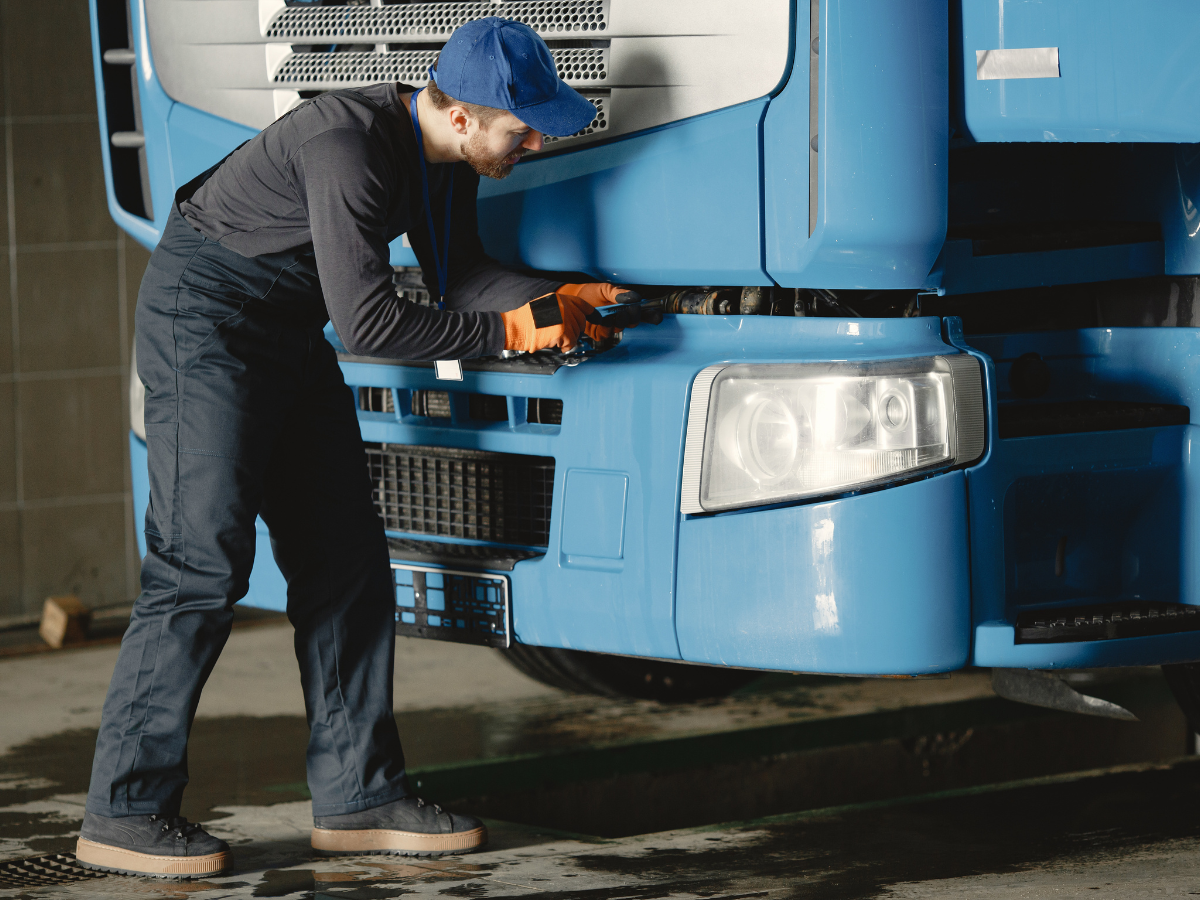
A fleet wash can include cleaning these surfaces to remove visible dirt. Headlights, indicators and other external lights also need attention so that built-up grime does not cover their lenses.
These areas should be cleaned with suitable methods that avoid damage. Drivers must still complete their normal vehicle checks before setting off, as washing does not replace inspection or repair.
Wheels, Tyres and Wheel Arches
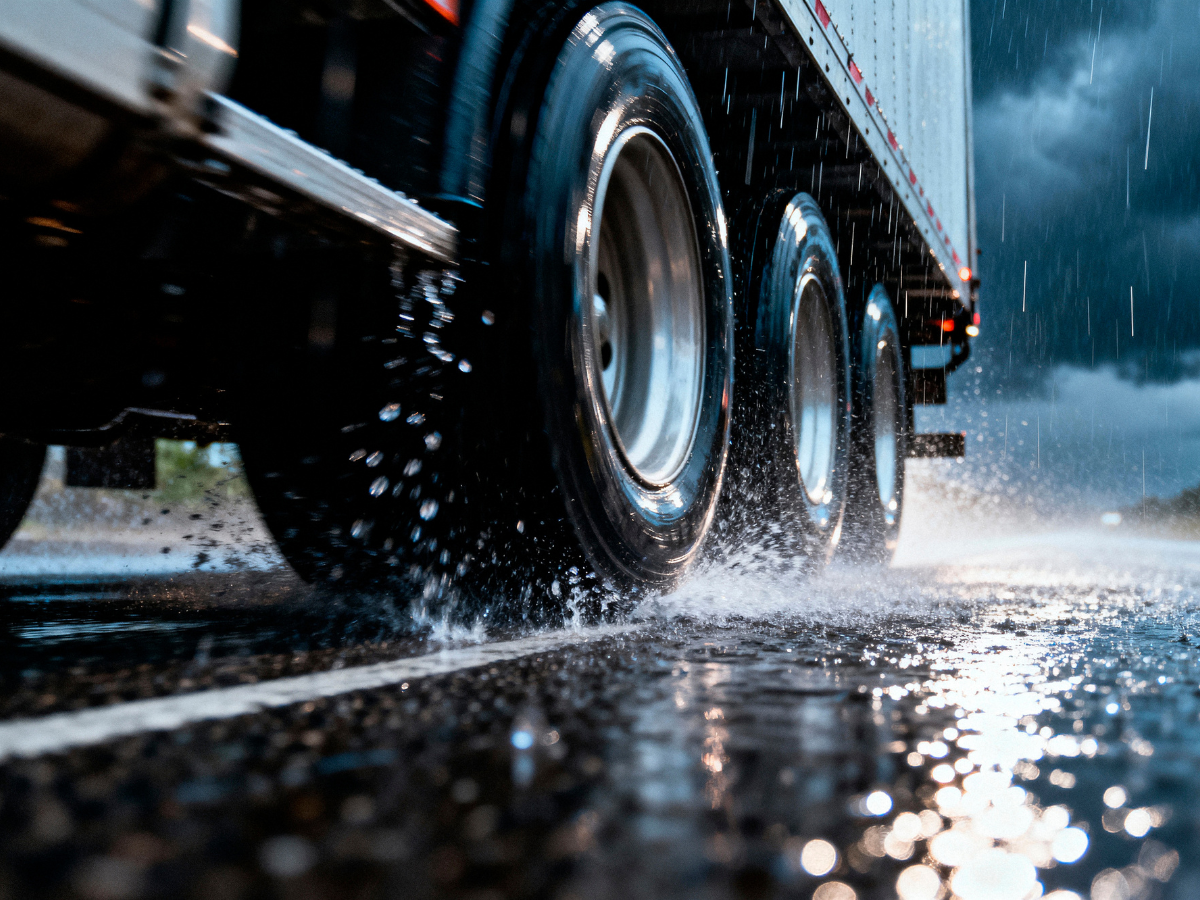
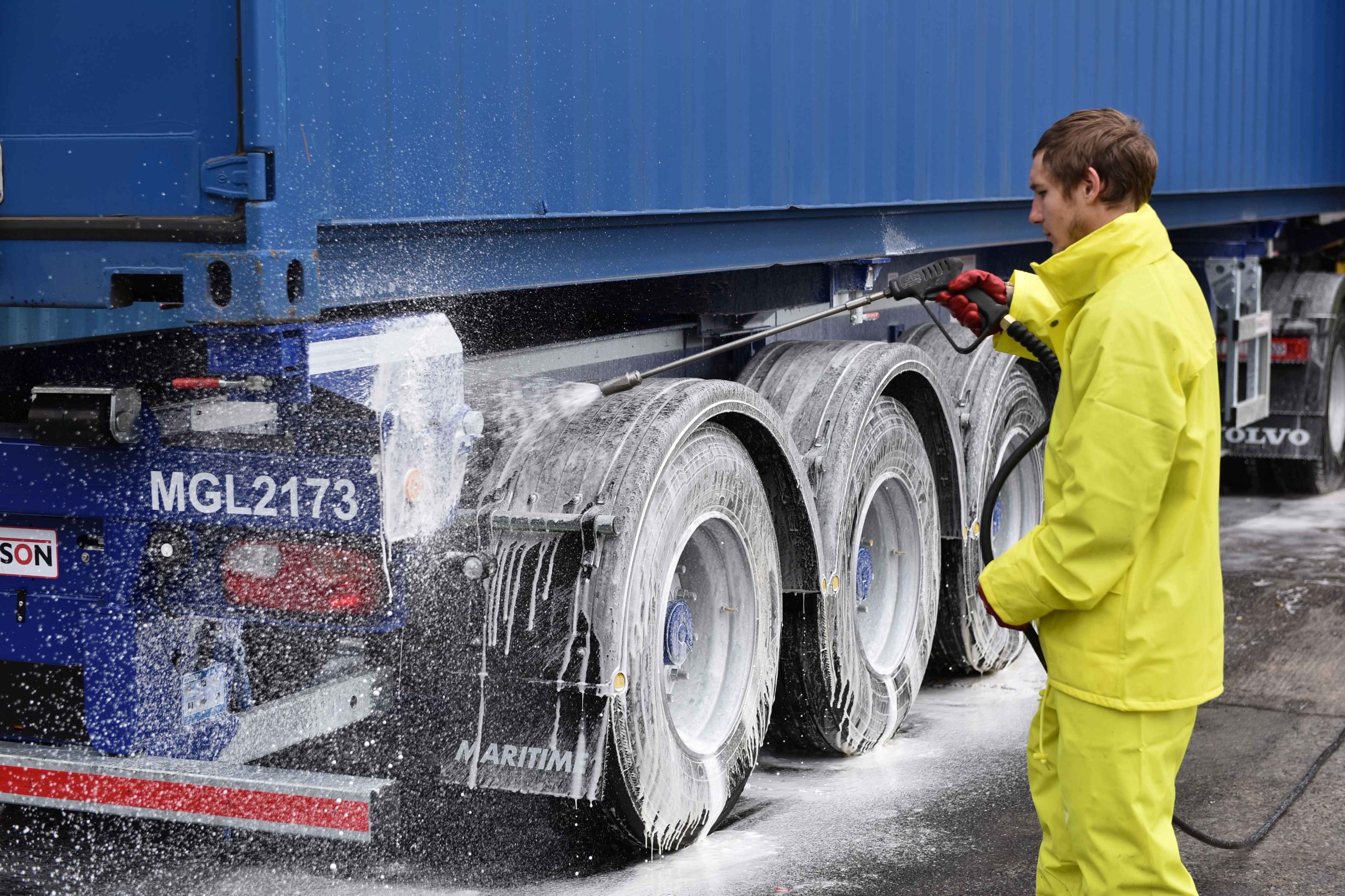
Wheels and wheel arches collect mud, brake dust and road debris. These deposits can be harder to remove than dirt on flat body panels because they gather around curved surfaces and narrow gaps.
A good wash gives the wheel faces, outer tyre surfaces and wheel arches suitable attention. Cleaning these areas also helps fleet teams spot visible damage or unusual wear during routine checks.
The cleaning method should suit the wheel finish and the condition of the vehicle. Washing removes surface dirt, but it cannot correct tyre defects or replace mechanical checks.
Chassis and Other Visible Lower Sections
The lower parts of an HGV often face the heaviest exposure to road grime, mud and salt. Visible chassis sections, steps, lower panels and areas beneath the cab can collect dirt that remains unnoticed during a quick wash.
Cleaning these areas helps remove surface deposits and makes the vehicle easier to inspect visually. It can also help teams identify leaks, damage or loose parts that may need further checks.
Standard exterior washing may cover accessible lower sections, while deeper cleaning can require a separate service. For vehicles due for maintenance or an annual test, operators may arrange more focused chassis cleaning.
Rear Cab Panels and Hard-to-Reach Areas
The back of the cab often receives less attention than the front and sides. Yet it can collect dust, road film and grime around air lines, connections and other exposed fittings.
A fleet wash can include the rear cab panel and other accessible surfaces. Cleaning these areas gives the vehicle a more consistent finish and helps prevent dirt from building up between visits.
Operators should take care around electrical parts, hoses and connections. The aim is to clean suitable surfaces without disturbing fittings or directing water into sensitive areas.
Trailer Sides, Rear Doors and Load Areas
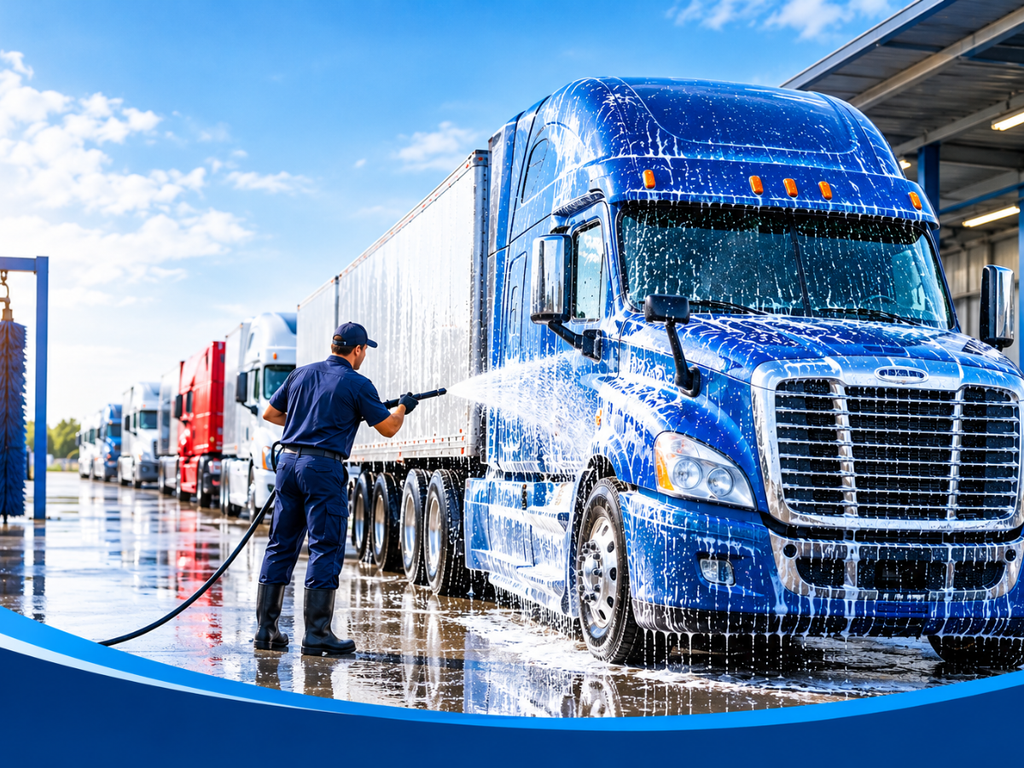
For articulated HGVs, the trailer needs attention alongside the tractor unit. Side panels, rear doors, external fittings and lower edges can collect dirt throughout the working day.
Cleaning trailer exteriors helps keep company markings clear and gives the full vehicle a uniform appearance. It is also useful for fleets that switch trailers between tractor units or run several types of goods vehicles.
Internal trailer cleaning is a separate task. A trailer washout may be needed to remove loose debris, dirt or residue from the cargo space, depending on the load and the next use. This work should follow the relevant hygiene and handling requirements.
Specialist Areas on Different HGV Types
Not every HGV has the same cleaning needs. Tankers, tippers, refrigerated trucks and refuse vehicles each have parts that collect dirt in different ways.
For example, tipper bodies can gather soil around external edges, while refrigerated vehicles need attention to accessible body panels and door areas. Refuse vehicles may require cleaning around rear working sections, depending on the agreed service.
A mobile truck cleaning service can help fleet managers plan cleaning around these differences. The vehicle type, site conditions and cleaning goals should guide the work, rather than applying the same checklist to every truck.
How Often Should Each Area Be Cleaned?
Cleaning frequency depends on mileage, weather, road conditions and the type of work performed. Vehicles that travel through muddy sites may need more frequent washing than those used mainly on clean roads.
A practical fleet plan can include:
- Routine exterior washing: Cab, body panels, glass, lights, wheels and other exposed surfaces.
- Targeted lower-section cleaning: Visible chassis areas and lower panels where dirt builds up.
- Trailer cleaning: Exterior panels and rear doors, with internal washouts arranged when needed.
- Focused deep cleaning: Suitable chassis or engine-area cleaning before maintenance or an annual test.
Well-planned fleet washing services help keep cleaning tasks consistent across vehicles and depots. Managers should agree which areas are included, how often visits take place and whether extra cleaning is needed for specific vehicles.
Why Choose Mobile Fleetwash for HGV Fleet Cleaning?
At Mobile Fleetwash, we clean HGVs, tractor units, rigid trucks, trailers and specialist vehicles at depots, yards and operating sites across the UK. Our mobile vehicle washing service helps businesses maintain clean vehicles without sending them to a separate wash site.
Our cleaning process uses non-caustic, solvent-free traffic film remover to help loosen road dirt before hand brushing and high-pressure rinsing. We can give extra attention to wheels, windows, lights, cab backs and visible chassis sections, based on the agreed wash requirements.
Our key benefits include:
- Nationwide coverage: We support businesses operating from single depots and multiple sites.
- Flexible schedules: We arrange visits around vehicle availability, including mornings, evenings and weekends.
- Experienced teams: Established in 1972, we bring more than 50 years of vehicle cleaning experience.
- Purpose-built equipment: Our network includes more than 160 mobile cleaning units.
- Wastewater containment: Where suitable drainage is limited or unavailable, we can capture wash water for approved disposal.
- Digital records: We can provide job records, supporting images and service reports where required.
- Mixed fleet support: We clean HGVs, vans, trailers, tankers, tippers and refuse collection vehicles.
Our fleet washing services UK businesses use can be arranged weekly, fortnightly or at another agreed frequency. We work with each customer to set the vehicle list, cleaning scope, site access and visit times before the service begins.
For operators seeking professional fleet washing in UK locations, we offer a practical way to manage vehicle cleaning across different depots. Our team can discuss your fleet’s needs and help you choose a suitable schedule.
Arrange Your HGV Fleet Wash with Mobile Fleetwash
Keep your HGVs clean, presentable and ready for work with Mobile Fleetwash. Visit our official website to learn more about our on-site cleaning options and nationwide coverage. We can discuss your vehicles, site needs and preferred schedule, then help you arrange a service that fits your operation.
Frequently Asked Questions
1. Does a standard HGV fleet wash include the chassis?
A standard wash may cover visible chassis sections, but deeper cleaning often needs a separate service. Confirm the exact scope before booking.
2. Are trailer interiors cleaned during a fleet wash?
Not always. Exterior washing and internal trailer washouts are different tasks. Ask whether the agreed service includes cleaning the cargo area.
3. Can HGVs be washed at a depot?
Yes. Mobile fleet washing can take place at suitable depots or yards, subject to site access, vehicle availability and drainage arrangements.
4. Does fleet washing replace routine vehicle inspections?
No. Washing removes dirt and improves visibility, but drivers and maintenance teams must still carry out the required checks and repairs.
5. How often should a fleet be washed?
The right schedule depends on road conditions, vehicle use and appearance needs. Weekly, fortnightly or other agreed visits can suit different fleets.