Keeping heavy goods vehicles clean is essential for fleet operators across the UK. A clean vehicle protects your brand image, keeps drivers safe, and ensures compliance with road transport standards. However, downtime costs money, so fleet managers often ask a practical question: how long does it actually take to wash an HGV?
Depending on the size of the truck, the level of dirt, and the cleaning method used, a standard exterior wash takes 15 to 30 minutes per vehicle.
Using high-grade heavy goods vehicle washing processes ensures your fleet stays presentable without interrupting your operational schedules.
Factors That Influence HGV Washing Time
Every commercial vehicle operates under different road conditions, meaning wash times vary. When utilizing mobile fleet washing in UK, key factors affecting the duration of a wash include:
1. Vehicle Size and Configuration
- Standard Rigid Trucks: Take approximately 15 to 20 minutes.
- Articulated Trucks and Tractor Units: Take 20 to 30 minutes due to the larger surface area and fifth-wheel section.
- Specialist HGVs (Tankers, Tippers, and Transporters): Require 30 to 45 minutes because of complex decks, framework, and stubborn build-up like mud or residue.
2. Level of Dirt and Road Contaminants
Vehicles travelling on UK highways accumulate traffic film, diesel soot, and road salt. Trucks operating on construction sites carry heavy mud and debris. Removing thick, dried-on grime requires longer pre-treatment and intensive brush work before rinsing.
3. Cleaning Method Used
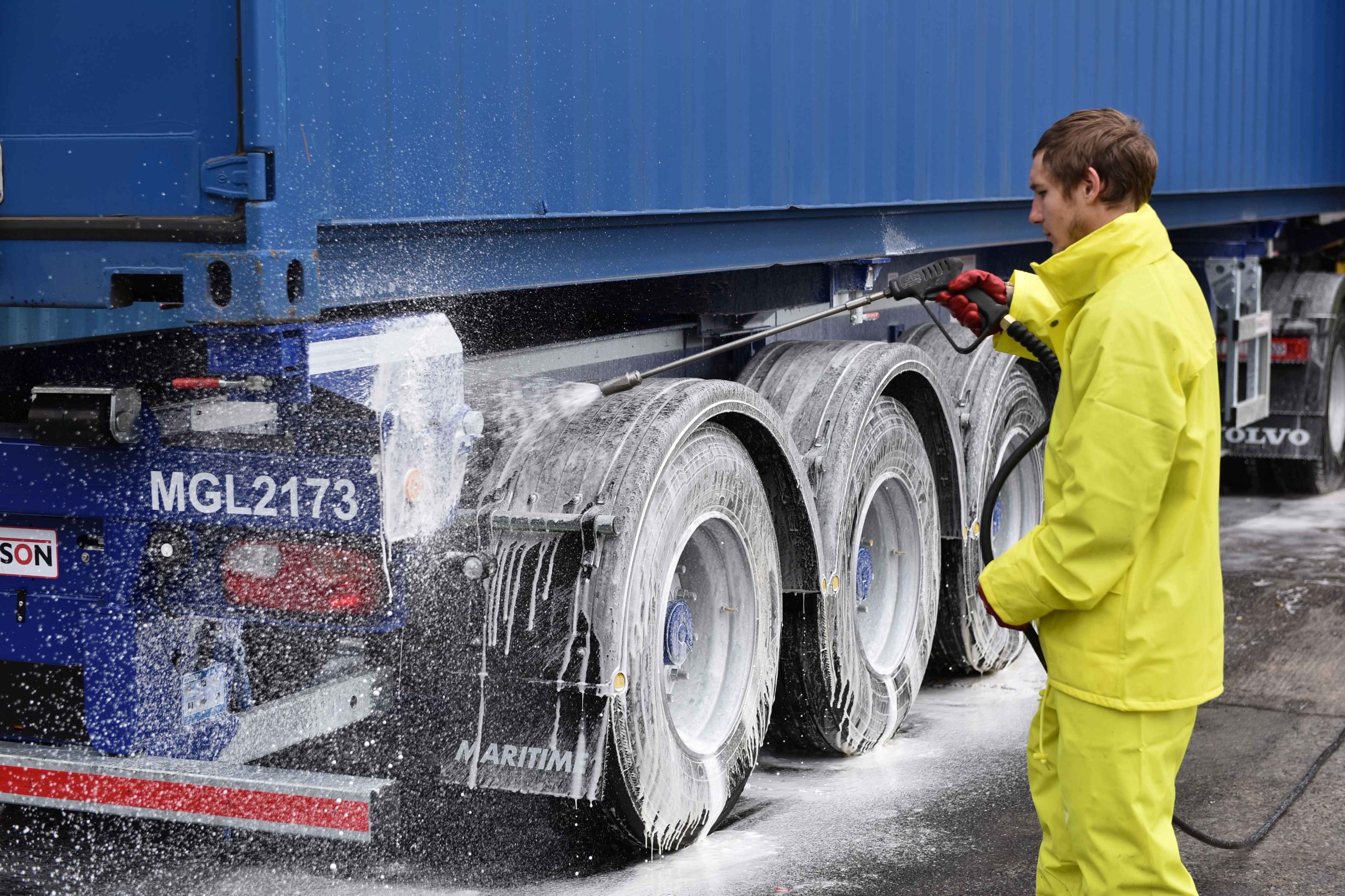
Automated drive-through gantry washes take only 5 to 10 minutes, but they often miss hard-to-reach areas like cab backs, chassis rails, and wheel arches. Professional manual washing using HGV pressure washing equipment takes 20 to 30 minutes, delivering a thorough finish that removes grime from every angle.
4. Additional Cleaning Services
Including interior cab valeting or hygiene washouts for refrigerated trailers adds 15 to 30 minutes per unit.
Step-by-Step Breakdown of a Professional HGV Wash
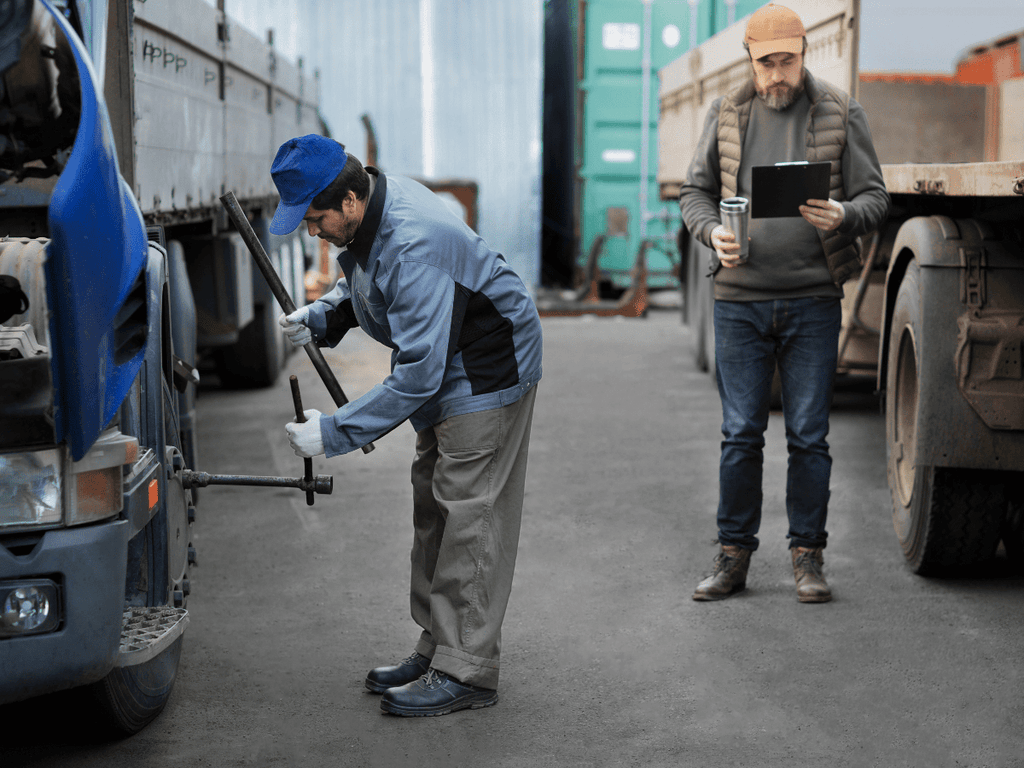
A structured cleaning process keeps fleet maintenance efficient while maintaining high standards. A typical 20-minute wash proceeds as follows:
- Pre-Inspection & Setup (2 Mins): Check vehicle safety, secure windows, and prepare wash equipment.
- Pre-Wash & Chemical Application (3 Mins): Apply traffic film remover (TFR) to loosen road grime and grease.
- Manual Agitation & Hand Brushing (8 Mins): Brush bodywork, cabs, wheels, and light clusters for thoroughness.
- High-Pressure Rinse (5 Mins): Rinse off all dirt and detergents from bodywork and chassis areas.
- Final Quality Inspection (2 Mins): Verify cleanliness and record completed digital job logs.
Typical Cleaning Time by Vehicle Type
Different vehicles require tailored care depending on their design and typical usage:
| Vehicle Type | Standard Exterior Wash Time | Key Focus Areas |
| Tractor Units | 15–20 minutes | Cab back, fifth wheel, fuel tanks, steps |
| Rigid Box Trucks | 15–20 minutes | Side panels, rear shutter doors, side guards |
| Articulated Trailer Sets | 25–35 minutes | Curtain sides, roof edges, rear doors, alloy wheels |
| Tippers & Construction Vehicles | 30–45 minutes | Underbody, chassis rails, wheel arches, tipper body |
| Car Transporters & Tankers | 30–40 minutes | Open ramps, decks, pipework, specialized fittings |
How Mobile Fleet Washing Saves Operational Time
Driving vehicles to off-site wash stations creates costly delays. Drivers spend fuel and working hours waiting in line at commercial truck stops.
Hiring a professional fleet washing company eliminates off-site trips. Mobile units visit your depot, washing trucks while they sit parked during scheduled downtime.
- Zero Travel Time: Vehicles are washed directly in your operating yard.
- Flexible Scheduling: Work takes place during evenings, early mornings, or weekends.
- Better Fleet Availability: Trucks remain ready for their next scheduled shift without operational delays.
Partnering with professional mobile fleet cleaning services allows transport operators to maintain a cleaner fleet effortlessly while staying compliant with environmental drainage regulations.
Partner with Mobile Fleetwash for Reliable On-Site Fleet Cleaning
Keeping a cleaner fleet shouldn’t disrupt your daily logistics operations. At Mobile Fleetwash, we bring over 50 years of industry experience directly to your site, washing over 30,000 commercial vehicles across the UK every week. Our fully equipped mobile units handle exterior truck washing, trailer washouts, and interior valeting around your schedule, including evenings and weekends, so your vehicles are always ready for the road. We also provide full wastewater containment solutions to keep your site compliant with Environment Agency regulations, along with digital job reporting for clear management oversight.
Contact Mobile Fleetwash today to request a tailored quote and keep your fleet looking its best without losing valuable road time.
Frequently Asked Questions
- How long does a standard exterior wash take for a single HGV?
A standard exterior wash for a heavy goods vehicle usually takes between 15 and 30 minutes. The exact duration depends on the truck size, body style, and the overall amount of dirt accumulated.
- Does manual hand brushing take longer than an automated wash?
Yes, manual brushing takes about 10 to 15 minutes longer than an automated wash. However, manual washing cleans awkward areas like wheel arches, cab backs, and mirror housings far more effectively.
- How long does an internal trailer washout take?
An internal trailer washout typically takes 15 to 25 minutes. This process removes cargo residues, dirt, and debris, ensuring the trailer meets safety and hygiene standards for the next delivery.
- Can mobile fleet washing clean multiple trucks simultaneously?
Yes, professional teams use purpose-built mobile units to wash multiple trucks efficiently. With multi-operator teams, several vehicles can be pre-treated, hand-brushed, and high-pressure rinsed in structured sequence batches.
- How often should heavy goods vehicles be washed?
Most transport operators schedule washes weekly or fortnightly. Regular cleaning prevents traffic film, road salt, and dirt from building up, making ongoing maintenance faster and protecting the vehicle paintwork.