There is no DVSA rule saying every HGV must be steam cleaned before its MOT or annual test. However, the vehicle does need to be clean enough for the parts being tested to be properly inspected.
The current DVSA HGV Inspection Manual lists this as one of the conditions for accepting a vehicle or trailer for test. The vehicle must also not create a health and safety risk for the person carrying out the inspection.
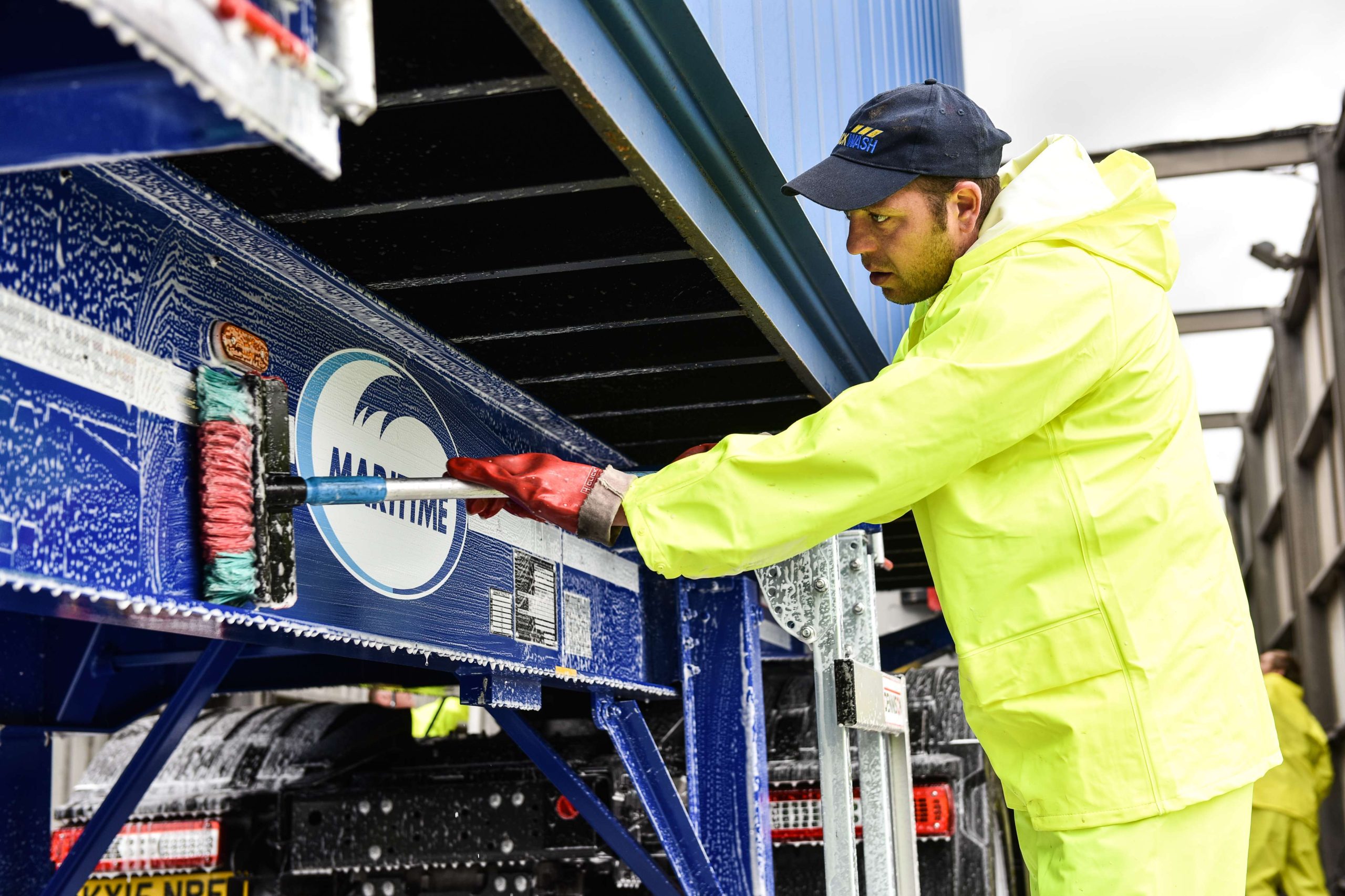
This is why many operators arrange pre-MOT steam cleaning before the vehicle goes through its workshop checks or annual test. Hot-water, high-pressure cleaning removes built-up grease, oil, road film and dirt from areas such as the chassis, underside and engine area, giving the people inspecting the vehicle a clearer view.
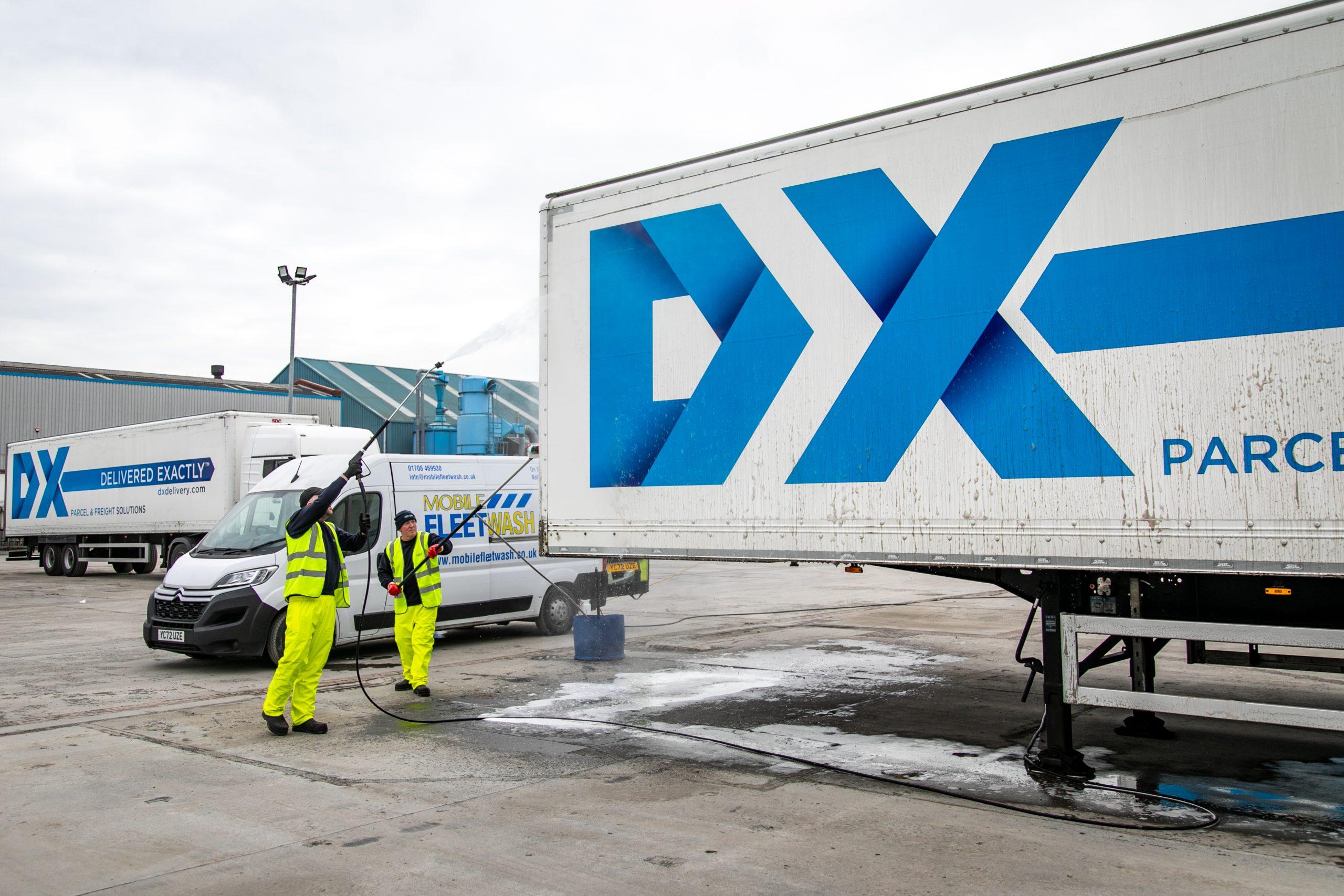
For HGVs that need a deeper clean than a standard exterior wash, Mobile Fleetwash can carry out MOT steam cleaning at depots, workshops and other suitable sites across the UK.
Key Takeaways
- Steam cleaning itself is not a legal requirement before every HGV MOT.
- DVSA requires the vehicle or trailer to be clean enough for its component parts to be inspected.
- Pre-MOT steam cleaning is commonly used to remove grease, oil and heavy road dirt from the engine area, chassis and undercarriage.
- Cleaning before workshop checks can give technicians a clearer view of the areas they need to inspect.
- Steam cleaning should be planned carefully around brake testing. DVSA advises against steam cleaning the brake system immediately before a brake test because this can reduce braking performance.
Is Steam Cleaning a Legal Requirement Before an HGV MOT?
No. The requirement is about the condition of the vehicle when it is presented, rather than the cleaning method used beforehand.
DVSA’s current HGV Inspection Manual says the vehicle or trailer must be clean enough for its component parts to be inspected. A dirty vehicle that prevents the examiner from carrying out the test properly can therefore cause problems, but that does not mean every vehicle has to receive a full steam clean.
GOV.UK also tells operators to clean the inside of the vehicle before the test. This includes clearing unnecessary items from the dashboard, footwells, door pockets and seats, as well as wiping down the dashboard, doors and controls. GOV.UK warns that the test can be cancelled if the vehicle is not clean.
For some trucks, a normal exterior clean alongside proper cab preparation will be enough. For vehicles with heavy grease, oil and road dirt around the underside, chassis or engine area, a deeper pre-MOT steam clean can be much more useful.
Why Do Operators Steam Clean HGVs Before an MOT?
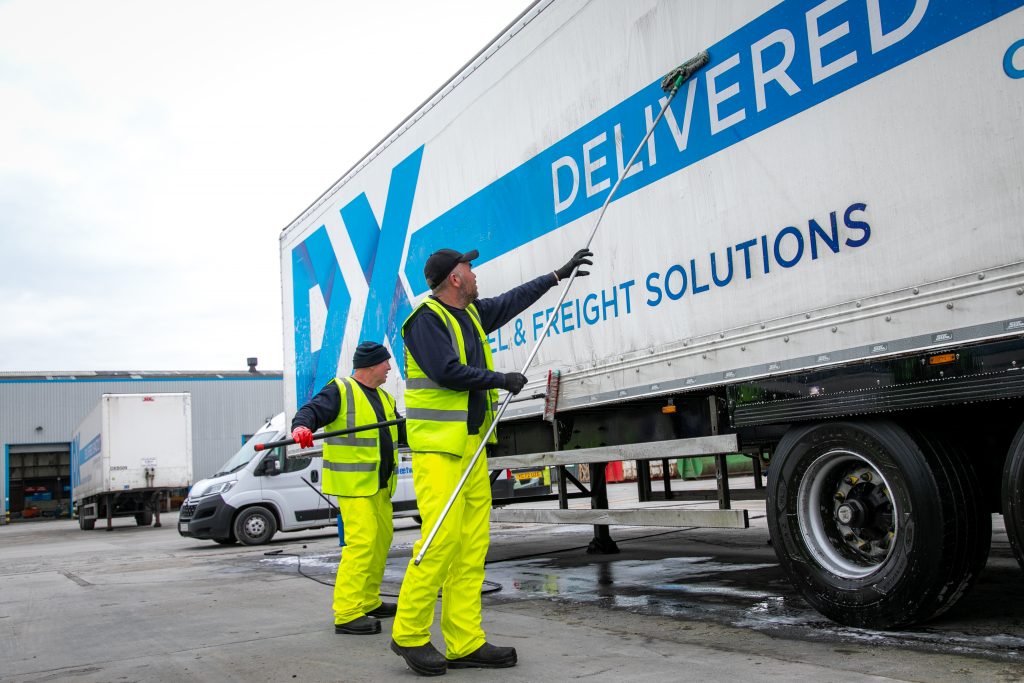
HGVs collect a lot of dirt during normal use. Road spray, traffic film and mud build up underneath the vehicle and around components that need to be checked as part of routine maintenance and annual testing. Grease and oil can add another layer of build-up around the chassis and engine area. Removing that dirt gives workshop teams a clearer vehicle to inspect before it reaches the test.
DVSA’s wider Guide to Maintaining Roadworthiness recommends cleaning commercial vehicles regularly on top, inside and underneath. The guidance specifically says this makes defects easier to spot during scheduled safety inspections and daily walkaround checks.
That same principle is useful during MOT preparation. If dirt is covering an area that needs checking, getting it out of the way before the workshop starts its pre-test inspection makes sense. Steam cleaning does not replace mechanical checks or maintenance. It prepares the vehicle so those checks can be carried out on cleaner surfaces.
What Parts of an HGV Are Steam Cleaned Before an MOT?
Pre-MOT steam cleaning normally concentrates on areas that need a deeper clean than the cab and bodywork receive during a standard truck wash.
The exact areas depend on the vehicle and how much build-up is present, but cleaning can include:
- Engine and accessible engine-bay areas
- Chassis and visible chassis components
- Undercarriage and underside areas
- Axles and surrounding areas
- Areas with built-up oil, grease and road contamination
- Other accessible areas agreed before cleaning
Hot water and high-pressure cleaning equipment are used to break down stubborn deposits and remove accumulated grime.
The aim is not to make every part of the truck look new. It is to remove the layers of dirt that can get in the way when the vehicle is being prepared and inspected.
Should an HGV Be Steam Cleaned Before Its Pre-MOT Inspection?
This is often the most useful time to arrange it. If a workshop is going to carry out pre-MOT checks, cleaning the vehicle beforehand means technicians are not starting with heavy dirt covering the chassis, underside and other areas they need to see.
It can also make visible leaks, damage or deterioration easier to pick up during those checks. DVSA says operators can have an HGV checked by a qualified mechanic before the annual test, using the HGV Inspection Manual as the standard. Cleaning works alongside that preparation rather than replacing it.
There is little value in carrying out detailed pre-test checks first and then removing weeks of grime afterwards if that dirt was covering the areas being inspected.
How Close to the MOT Should an HGV Be Steam Cleaned?
There is no DVSA rule setting a specific number of days before the test. The clean should be close enough to the MOT that the vehicle does not become heavily soiled again, while still leaving enough time for workshop checks and any repairs that might be needed.
For many operators, that means fitting the steam clean into the wider pre-MOT preparation rather than treating it as the final job immediately before the vehicle goes for testing.
There is one important point around the brakes. DVSA’s heavy vehicle brake test guidance warns against steam cleaning the brake system immediately before a brake test, as this is highly likely to reduce brake performance. So the timing of the clean needs to take the vehicle’s brake testing and workshop schedule into account.
Does a Steam Clean Mean the HGV Is Ready for Its MOT?
No. Cleaning gets rid of dirt. It does not tell you whether the vehicle meets the mechanical standards required for the annual test. Brakes, steering, suspension, tyres, lights and other components still need to be properly checked and maintained.
An HGV can be extremely clean and still have a defect that results in an MOT failure. Think of steam cleaning as one part of the preparation. It gives the workshop and examiner a cleaner vehicle to work with, while the maintenance and inspection process deals with the actual condition of the components.
What Else Should Be Clean Before an HGV MOT?
The chassis and underside are only part of the vehicle. Lights, number plates, reflectors and required markings also need to remain visible. Windscreens and mirrors need to provide a clear view, and heavy mud or debris should not be left around areas such as spray suppression equipment.
DVSA’s maintenance guidance recommends regular cleaning because it helps defects remain visible, while wider roadworthiness rules require items such as lights, reflectors and number plates to be kept clean and clear.
The cab needs attention too. Before the annual test, unnecessary items should be cleared away and the main interior areas cleaned. A pre-MOT steam clean therefore works best as part of the wider preparation of the vehicle rather than being treated as the only clean it needs.
Can HGV Steam Cleaning Be Done at Your Depot?
Yes. The vehicle does not always need to travel to a separate cleaning facility before its MOT.
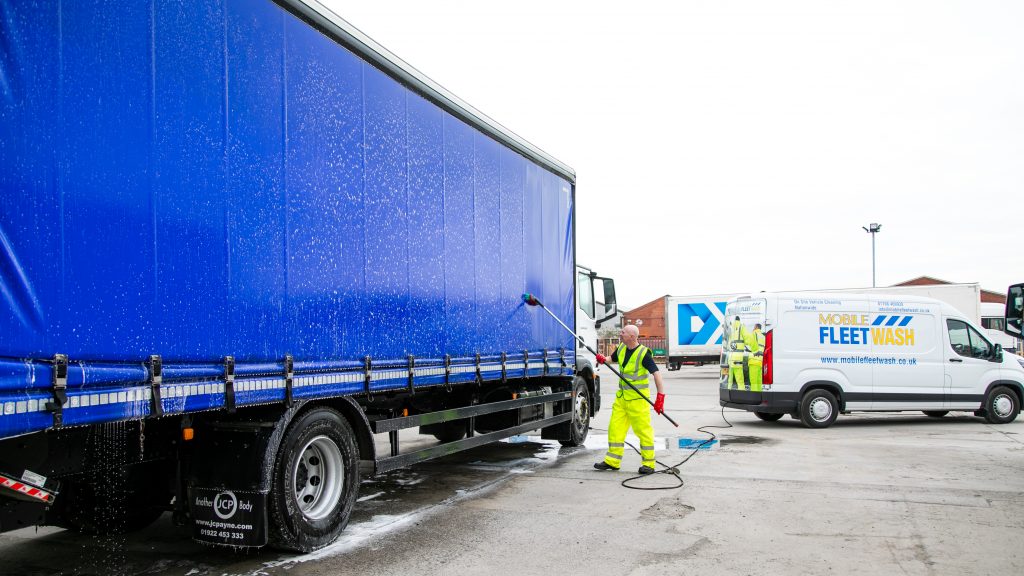
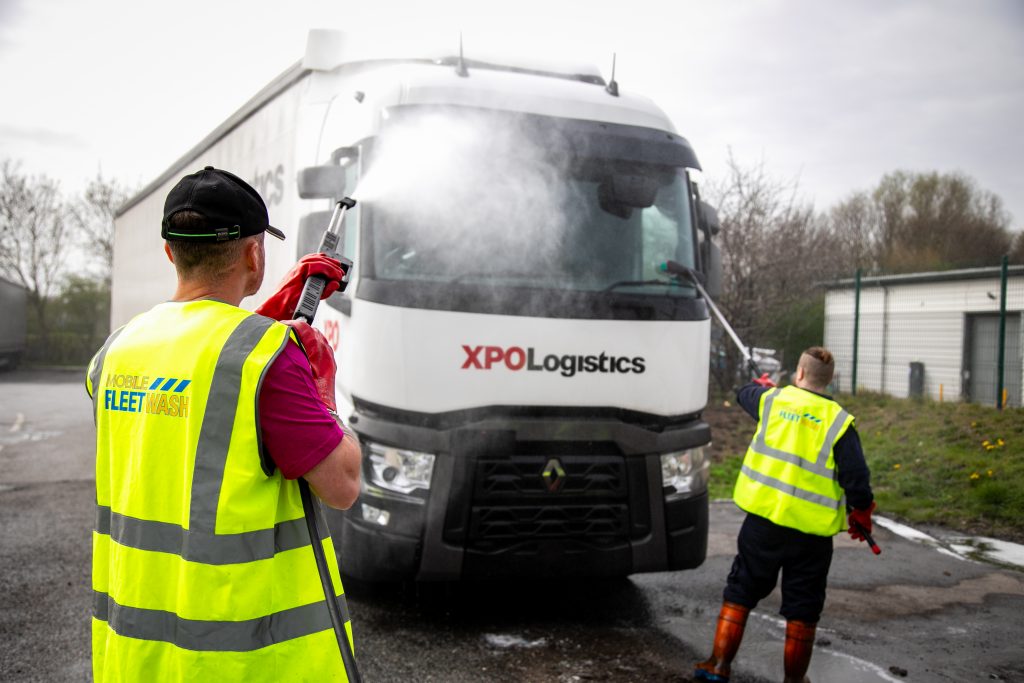
Mobile Fleetwash provides on-site MOT steam cleaning at depots, workshops and other suitable operating sites. Our mobile cleaning units are equipped for hot-water, high-pressure cleaning, allowing the work to be carried out where the HGV is already based. This can make it easier to fit cleaning around workshop preparation and vehicle availability, particularly where several vehicles have annual tests coming up.
Before the visit, we can confirm the vehicle type, where it will be positioned and the area available for cleaning. Visits can also be arranged in the morning, afternoon, evening or at weekends where required.
What Does the Site Need for MOT Steam Cleaning?
The working area matters more for steam cleaning than it does for a normal exterior wash. Good access underneath the vehicle helps the operator clean the chassis and undercarriage properly.
Depending on the vehicle and site, Mobile Fleetwash can work with ramps, inspection bays and certain suitable floor areas. Ground clearance also needs to be considered.
Before booking, it helps to know:
- Where the vehicle will be positioned
- Whether a ramp or inspection bay is available
- The approximate ground clearance
- How our mobile cleaning unit can access the area
- What drainage is available around the proposed wash area
These details can be discussed before the clean is confirmed. Risk Assessments, Method Statements and COSHH information can also be provided where required.
What Happens to the Wastewater After Steam Cleaning?
Pre-MOT steam cleaning can produce wash water containing oil, grease, road dirt and cleaning residues. That means drainage needs to be considered before the work starts.
Where suitable drainage is limited or unavailable, Mobile Fleetwash can provide wastewater containment. Wash water can be captured during the clean, reclaimed into onboard tanks and removed from the site for approved disposal. The working area can also be cleaned down after the vehicle has been finished.
This means on-site MOT cleaning can still be considered at depots where uncontrolled runoff would otherwise be an issue.
Can Several HGVs Be Steam Cleaned at the Same Site?
Yes. If several trucks or trailers are approaching their annual tests, the cleaning can be organised around the workshop or fleet schedule.
This can be useful for larger fleets where MOT dates are spread throughout the year and vehicles regularly return to the same depot.
For businesses operating across several locations, Mobile Fleetwash can also coordinate pre-MOT cleaning at multiple UK sites through its nationwide mobile network.
MOT Steam Cleaning FAQs
Can an HGV MOT be cancelled because the vehicle is too dirty?
A vehicle or trailer needs to be clean enough for its component parts to be inspected. The DVSA HGV Inspection Manual includes this as a condition for accepting the vehicle for test. GOV.UK also states that the test can be cancelled if the vehicle is not clean inside.
Do all HGVs need a full steam clean before their MOT?
No. Steam cleaning is not specifically required for every HGV. It is mainly useful where grease, oil and heavy road dirt have built up around the engine, chassis, underside or other areas that need to be inspected.
When should I book a pre-MOT steam clean?
It usually makes sense to clean the vehicle before its workshop or pre-MOT inspection so the areas being checked are easier to see. Avoid steam cleaning the brake system immediately before a brake test, in line with DVSA guidance.
Can trailers be steam cleaned before their annual test?
Yes. Pre-test cleaning can also be arranged for trailers where the chassis, underside or other accessible areas need attention.
Does steam cleaning guarantee an HGV will pass its MOT?
No. A clean vehicle still needs to meet all of the mechanical and roadworthiness standards checked during the annual test. Steam cleaning helps prepare the vehicle for inspection but does not replace maintenance or pre-test checks.
Can MOT steam cleaning be carried out as a one-off?
Yes. Mobile Fleetwash can arrange one-off pre-MOT steam cleaning as well as cleaning alongside wider scheduled fleet services.
Arrange On-Site HGV MOT Steam Cleaning
An HGV does not have to be steam cleaned before every MOT, but it does need to arrive in a condition that allows the relevant components to be inspected properly.
Where oil, grease and road grime have built up around the engine, chassis or underside, a pre-MOT steam clean can make the vehicle much easier to prepare and inspect.
Mobile Fleetwash provides nationwide on-site HGV steam cleaning at depots, workshops and suitable operating sites. Cleaning can be arranged around MOT dates, maintenance schedules and vehicle availability, with wastewater containment available where required.
If you have an HGV or several vehicles approaching their annual test, get in touch with the Mobile Fleetwash team with your site location, vehicle details and planned test dates. We can discuss the cleaning required and how it can be fitted around your workshop schedule.