
For most working vans and trucks, weekly or fortnightly washing is a good starting point. Vehicles covering a lot of miles, working in dirty conditions or representing a customer-facing brand will often need cleaning more regularly. In some cases, that could mean twice a week.
There is no set rule for every vehicle. How often you need to wash depends on mileage, routes, weather, working conditions and how quickly dirt builds up.
The DVSA does not set a fixed number of days between washes. The guidance says that commercial vehicles should be cleaned regularly on top, inside and underneath so defects are easier to spot during daily checks and scheduled safety inspections.
So, instead of sticking to the same routine all year, it makes sense to set a regular schedule and adjust it when your vehicles need more or less attention.

How Often Should Fleet Vehicles Be Washed?
For many businesses, the following gives a useful starting point:
- Twice a week or more: for high-mileage vehicles, particularly dirty working environments or fleets where presentation is a priority.
- Weekly: a good fit for many regularly used vans, trucks, HGVs and branded vehicles.
- Fortnightly: often suitable for lower-mileage vehicles or those working in cleaner conditions.
- More often during winter or poor weather: especially when road salt, mud and heavy road grime build up quickly.
Safety-critical areas should also be cleaned when needed between full washes. Lights, number plates, reflectors, mirrors and windows should not be left dirty just because the next planned clean is a few days away.
Mobile Fleetwash can arrange twice-weekly, weekly, fortnightly or other agreed cleaning schedules, depending on your vehicles, site and operating pattern.
What Affects How Often Vans and Trucks Need Washing?
Two vehicles based at the same depot can need completely different cleaning schedules.
A delivery van working in a busy city every day will pick up traffic film quickly. A long-distance HGV may cover far more miles but face different road conditions. Refuse vehicles, tippers and trucks working around industrial or construction sites can become dirty much faster again.
The best schedule comes down to how the vehicles are actually being used.

Mileage and Daily Use
The more time a vehicle spends on the road, the more dirt, spray and traffic film it is exposed to.
A van covering high daily mileage will usually need washing more often than one that only makes a handful of local journeys each week.
Mileage is useful when setting a schedule, but the type of journey matters too. Motorway driving, city routes and rural roads all leave different levels of build-up.
Road and Working Conditions
Some operating environments are simply dirtier than others.
Vehicles travelling through muddy yards, construction sites, waste facilities or industrial areas can pick up a lot of dirt in a short space of time.
If a truck is heavily soiled after a few days, waiting another week for the normal scheduled clean does not make much sense. Regular cleaning gives you a routine to work around, but it should still be flexible enough to deal with changing conditions.
Vehicle Presentation
For branded vehicles, appearance is another reason to clean more often.
Vans, trucks and trailers are seen by customers and other road users every day. Dirt can quickly cover branding, graphics and vehicle details.
A business with a highly visible fleet might choose weekly or twice-weekly washing because it wants vehicles to look consistent throughout the week.
When Vehicles Are Back at the Depot
Cleaning also needs to fit around when the vehicles are actually available.
Some vans return to the same depot every evening. Other vehicles might be away for several days at a time.
For long-distance HGVs, the biggest challenge can be finding a regular slot when enough vehicles are on site. The washing schedule needs to work around the operation rather than getting in the way of it.
Does the DVSA Say How Often HGVs Should Be Washed?
No. There is no DVSA rule saying an HGV has to be washed every week, every fortnight or after a certain number of miles.
DVSA guidance says vehicles should be cleaned regularly on top, inside and underneath. The main reason is because dirt can make it harder to spot defects during daily checks and planned safety inspections.
That means regular cleaning is part of keeping vehicles in a condition where they can be checked properly, but the operator still decides how often a full wash is needed.
For one fleet, weekly cleaning might make sense. For another, fortnightly could be enough.
What Should Be Kept Clean Between Full Washes?
A weekly or fortnightly wash does not mean the vehicle should be ignored in between.
Drivers still need to keep important areas clean enough to see and use properly.
DVSA walkaround guidance says HGV drivers should check that lights and lenses are clean, number plates are readable, reflectors are visible and required markings are not covered by dirt.
The same applies to vans. Lights, number plates, mirrors and windows all need to stay clear.
If road spray or grime covers any of these areas between scheduled washes, they should be cleaned when needed.
This is especially important in winter, when wet roads and poor weather can dirty a vehicle very quickly.
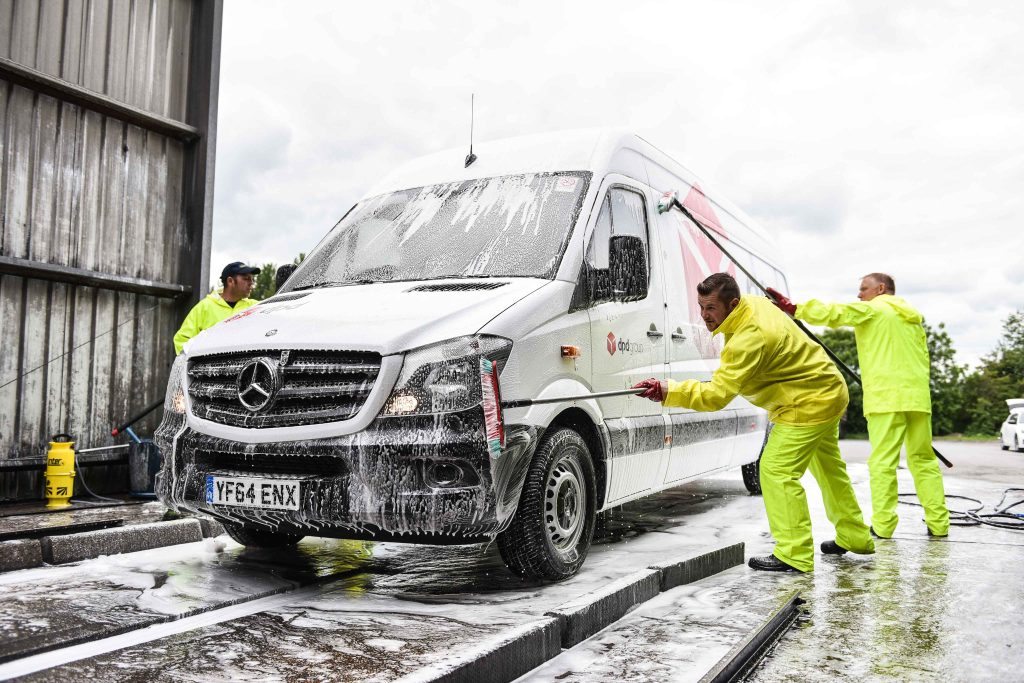
Should Vans and Trucks Be Washed More Often in Winter?
Usually, yes.
Winter brings more rain, standing water, mud, road grime and salt. Vehicles can go from clean to heavily soiled much faster than they would during a dry spell.
Road salt is one of the main reasons to increase cleaning. Vehicle manufacturers recommend regular washing where salt is being used, including cleaning the underside to remove salt deposits.
So if your vehicles are normally washed every fortnight, weekly cleaning might make more sense during periods of heavy winter use. Vehicles already on a weekly schedule might need an extra clean after particularly poor road conditions.
There is no need to change the schedule just because the calendar says winter. Look at the condition of the vehicles and how quickly dirt is building up.
What About Washing During Summer?
Summer does not automatically mean vehicles need washing more or less often.
Roads may be drier, but other types of dirt become more noticeable. Insects, bird droppings, tree sap and road tar can all collect on vehicle surfaces.
Manufacturers recommend removing contaminants like these rather than leaving them sitting on the paintwork for long periods.
A vehicle can still look fairly clean overall but need individual areas cleaning before the next planned wash.
Very hot weather also needs a bit of thought. Washing hot bodywork in strong sunlight can make cleaning harder because water and cleaning products dry much faster.
Do Vans and HGVs Need the Same Cleaning Frequency?
Not always.
Different vehicle types are used in different ways, so there is no reason they all need to follow exactly the same schedule.
Vans and Delivery Vehicles
For vans used every day, weekly washing is a good place to start.
Delivery vans and other high-use vehicles can need cleaning more often if they cover a lot of miles or carry prominent branding.
Lower-mileage vans can often stay on a fortnightly schedule if they are still looking reasonably clean between visits.
For larger fleets, scheduled mobile van washing also means vehicles can be cleaned at the depot rather than drivers having to take them somewhere else individually.
HGVs, Trucks and Trailers
For regularly used HGVs, weekly or fortnightly truck washing will work well for many operations.
High-mileage tractor units will often sit closer to weekly cleaning, especially through winter. Trailers can sometimes follow a different routine if they do not pick up dirt at the same rate.
There is no need to put every vehicle on the same timetable if the way they are used is different.
Refuse and Specialist Vehicles
Some vehicles get dirty much faster because of the work they do.
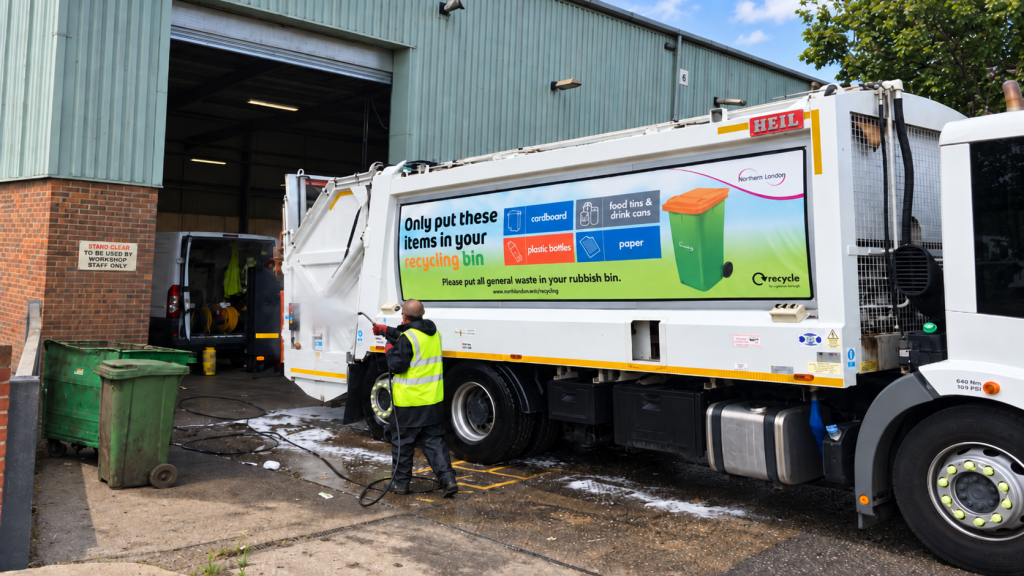
Refuse collection vehicles, tippers and vehicles working around waste, construction or industrial sites are regularly exposed to more dirt and debris than standard road-going vans.
These vehicles often need cleaning more frequently. The condition of the vehicle should guide the schedule rather than trying to fit it into the same routine as the rest of the fleet.
How Do You Work Out the Right Fleet Washing Schedule?
Start with how your vehicles are being used now.
For many businesses, weekly or fortnightly cleaning is the easiest place to begin. Then look at the condition of the vehicles just before the next wash.
If they are already heavily soiled several days before the cleaning team is due, the gap is probably too long.
If the vehicles are still relatively clean, you may be able to leave more time between visits.
The schedule can change through the year too. There is little point sticking rigidly to fortnightly washing through a particularly wet or salty winter if the vehicles clearly need cleaning sooner.
It also helps to look at vehicle availability. Cleaning vehicles while they are already parked at the depot is much easier than taking them off the road specifically for a wash.
Mobile Fleetwash can schedule visits around site access and vehicle movements, including early mornings, evenings and weekends.
What Should a Regular Vehicle Wash Include?
A regular exterior wash should remove road film, dirt and surface build-up without being unnecessarily harsh on the vehicle.
The exact process will depend on the type of vehicle and how dirty it is.
Mobile Fleetwash uses traffic film remover to loosen road dirt and build-up before cleaning. Areas can then be hand brushed where needed, followed by high-pressure cleaning and rinsing.
Extra attention can be given to areas that collect more dirt, including windows, lights, wheels, wheel arches, cab backs and visible chassis areas.
Keeping on top of cleaning also means dirt is dealt with regularly rather than being left to build up over several weeks.
What Happens to Wastewater When Vehicles Are Washed at a Depot?
The wash itself is only part of the job. You also need to think about where the wastewater is going.
Vehicle wash water can contain detergents, oils, grease, road dirt and other contaminants. It should not simply be allowed to flow into surface water drains or surrounding ground.
Environment Agency guidance says businesses need to prevent contaminated wash water from entering surface water drainage. Depending on the site, the water may need to be collected, treated, removed or discharged into an appropriate foul or combined sewer with permission.
Similar guidance applies across other parts of the UK, although the regulator and exact requirements vary.
This is why drainage and wastewater need to be considered before regular on-site fleet washing is set up.
Where suitable drainage is not available, Mobile Fleetwash can provide wastewater containment, with wash water collected into onboard tanks for removal and approved disposal.
Is Weekly or Fortnightly Fleet Washing Better?
It depends on how quickly the vehicles get dirty.
Weekly washing usually makes more sense for vehicles that are in daily use, cover higher mileage, work in dirtier conditions or need to stay consistently presentable.
Fortnightly washing can work well for vehicles covering less mileage or operating in cleaner conditions.
Some businesses will need twice-weekly washing. Others might use a mix of schedules across different groups of vehicles.
The aim is to keep vehicles clean enough for the way they are used without booking more washes than you actually need.
Arrange Regular Fleet Washing Around Your Vehicles
For most fleets, weekly or fortnightly cleaning is a good starting point.
The right frequency comes down to how quickly the vehicles get dirty, how they are used and the standard you want to keep them at. That schedule can then be adjusted during winter, after particularly dirty work or as the operation changes.
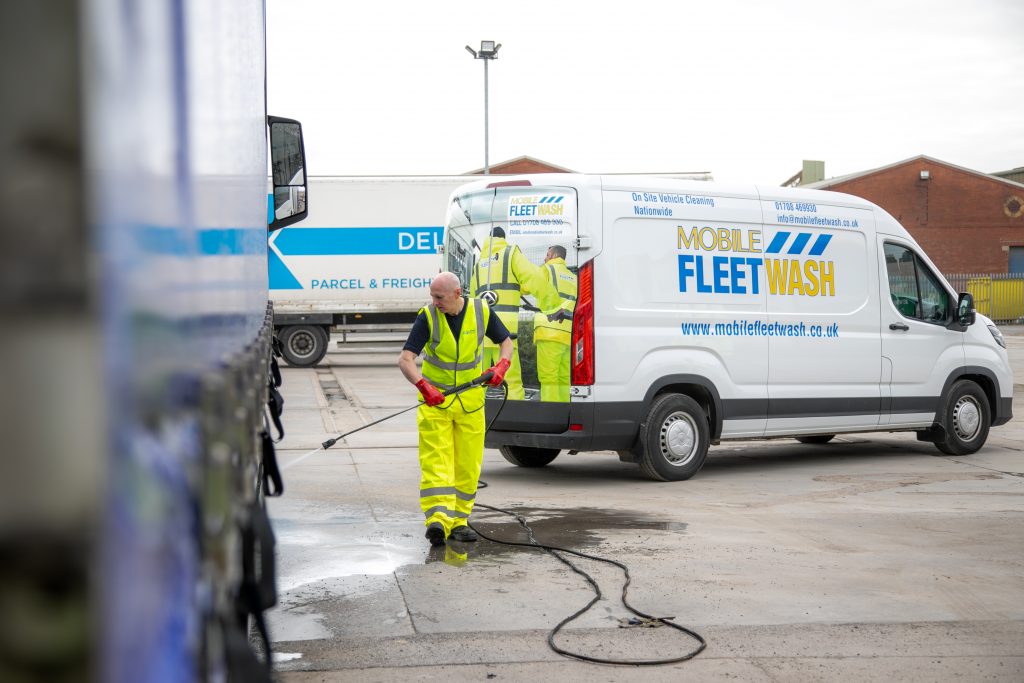
Mobile Fleetwash provides nationwide on-site washing for vans, HGVs, trucks, trailers and specialist vehicles. Visits can be arranged twice weekly, weekly, fortnightly or at another agreed frequency, with cleaning planned around your vehicle availability and site access.
If you are not sure what frequency would work best, get in touch with the Mobile Fleetwash team. Let us know what vehicles you have, how many are based at the site and when they are normally available, and we can talk through a suitable cleaning schedule.


